
HSE Strengthens Rules on Dry Cutting of Kitchen Worktops Ahead of Inspection Campaign
Published: 11 May 2026
Category: Workplace Safety
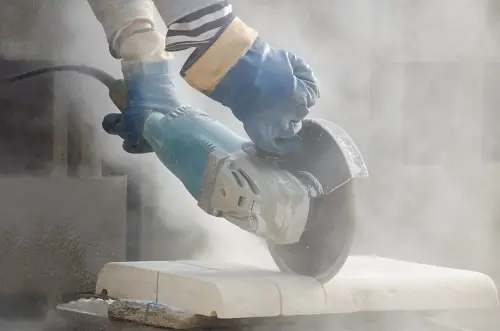
The UK’s Health and Safety Executive (HSE) has introduced strengthened guidance requiring employers to eliminate dry cutting practices when fabricating engineered stone kitchen worktops. The updated guidance reinforces that effective dust control measures, including on-tool water suppression, are essential for protecting workers from respirable crystalline silica (RCS), one of the most serious occupational health hazards in the construction and stone fabrication industries.
Alongside the publication of the new guidance, HSE has launched a nationwide 12-month inspection campaign targeting approximately 1,000 engineered stone fabricators across Great Britain. Inspectors will assess whether businesses are complying with the Control of Substances Hazardous to Health (COSHH) Regulations and implementing suitable measures to prevent worker exposure to hazardous silica dust.
Why the HSE Has Taken Action
Engineered stone has become increasingly popular for kitchen worktops because of its durability and appearance. However, many engineered stone products contain very high levels of crystalline silica—often exceeding 90%.
When these materials are cut, polished, or ground without adequate dust suppression, extremely fine silica particles become airborne. Workers can inhale these microscopic particles deep into the lungs, causing permanent and potentially fatal respiratory diseases.
The HSE’s action follows increasing concern over several preventable cases of accelerated silicosis affecting relatively young workers employed in the kitchen worktop fabrication industry. These incidents highlighted the urgent need for stronger industry-wide control measures.
Research Confirms the Dangers of Dry Cutting
Following more than two years of scientific research and industry engagement, HSE concluded that dry fabrication methods create unacceptable levels of respirable crystalline silica.
According to HSE scientists:
- Dry cutting can generate respirable crystalline silica concentrations five to ten times higher than comparable wet cutting methods.
- Properly applied water suppression significantly reduces airborne silica dust.
- Lower-silica engineered stone products are now commercially available without compromising product quality.
These findings support the regulator’s decision to strengthen expectations across the industry.
National Inspection Campaign Underway
As part of its proactive enforcement strategy, HSE inspectors will visit around 1,000 engineered stone fabrication businesses throughout Great Britain over the next 12 months.
During inspections, officers will assess whether employers have implemented effective controls, including:
- Wet cutting and water suppression systems
- Local exhaust ventilation (LEV)
- Suitable respiratory protective equipment (RPE)
- Dust management procedures
- Employee training
- Health surveillance programmes
- COSHH risk assessments
Businesses failing to adequately protect workers may face enforcement notices or prosecution where serious breaches are identified.
Employer Responsibilities Under COSHH
The HSE has published a dedicated COSHH guidance sheet specifically for engineered stone fabrication, outlining the minimum standards employers are expected to meet.
Employers should ensure they:
- Select lower-silica engineered stone products whenever practical.
- Eliminate dry cutting and use effective on-tool water suppression.
- Control water mist and slurry to prevent secondary dust generation.
- Provide correctly selected, face-fit tested respiratory protective equipment (RPE).
- Install and maintain suitable dust extraction systems where required.
- Carry out regular health surveillance for employees exposed to respirable crystalline silica.
- Train workers on silica hazards and safe working procedures.
- Review and update COSHH assessments regularly.
These requirements form part of employers’ legal duty to protect workers from hazardous substances under UK health and safety legislation.
Health Risks of Respirable Crystalline Silica
Respirable crystalline silica (RCS) is classified as a serious occupational health hazard. Long-term exposure can lead to irreversible lung damage and other life-threatening diseases.
Health effects include:
- Silicosis – an incurable and progressive lung disease.
- Chronic Obstructive Pulmonary Disease (COPD).
- Lung cancer.
- Kidney disease.
- Reduced lung function and permanent breathing difficulties.
Although there is currently no cure for silicosis, it is entirely preventable through effective exposure control.
Supporting a Fair and Safer Industry
The HSE has stated that the inspection programme aims not only to improve worker protection but also to create a level playing field across the industry.
Businesses that invest in proper dust control should not be placed at a commercial disadvantage by competitors who ignore health and safety requirements.
Occupational hygiene professionals and government representatives have welcomed the updated guidance, noting that it provides clearer expectations for employers while strengthening long-term protection for workers.
Advice for Workers
Workers involved in cutting, grinding, polishing, or installing engineered stone should understand the health risks associated with silica dust and ensure appropriate control measures are in place.
Employees should expect their employer to provide:
- Wet cutting equipment.
- Suitable respiratory protective equipment.
- Safe systems of work.
- Information, instruction, and training.
- Regular health surveillance where exposure exists.
Workers concerned about unsafe practices are encouraged to raise concerns with their employer or report serious health and safety issues to the Health and Safety Executive.
Conclusion
The HSE has made its expectations clear: uncontrolled dry cutting of engineered stone worktops is no longer acceptable. With national inspections already underway, employers must ensure they comply with COSHH requirements by implementing effective dust suppression, providing appropriate respiratory protection, and maintaining robust health surveillance programmes.
Protecting workers from respirable crystalline silica is not simply a matter of regulatory compliance—it is essential for preventing irreversible occupational disease and ensuring a safer future for everyone working in the stone fabrication industry.
Key Takeaways
- Dry cutting of engineered stone creates extremely high levels of respirable crystalline silica.
- Wet cutting with water suppression is now the expected industry standard.
- Around 1,000 businesses will be inspected during HSE’s 12-month campaign.
- Employers must comply with COSHH requirements and implement effective exposure controls.
- Silicosis is incurable but entirely preventable through proper dust management.